Blog
03 Jul 2026
5 min read
How to Style Sculptures, Busts and Figurines at Home
A practical guide to displaying sculptures, busts, and figurines in Pakistani homes — where to place them, how to group them, and which pieces suit each room.
On this page
A sculpture is the most personal kind of decor. A vase or clock serves a function, but a bust or figurine is there for one reason only — because you chose it. That is exactly why sculptural pieces make a home feel collected rather than furnished.
This guide covers where sculptures, busts, and figurines work best in Pakistani homes, how to give them the space they need, and how to avoid the most common display mistakes.
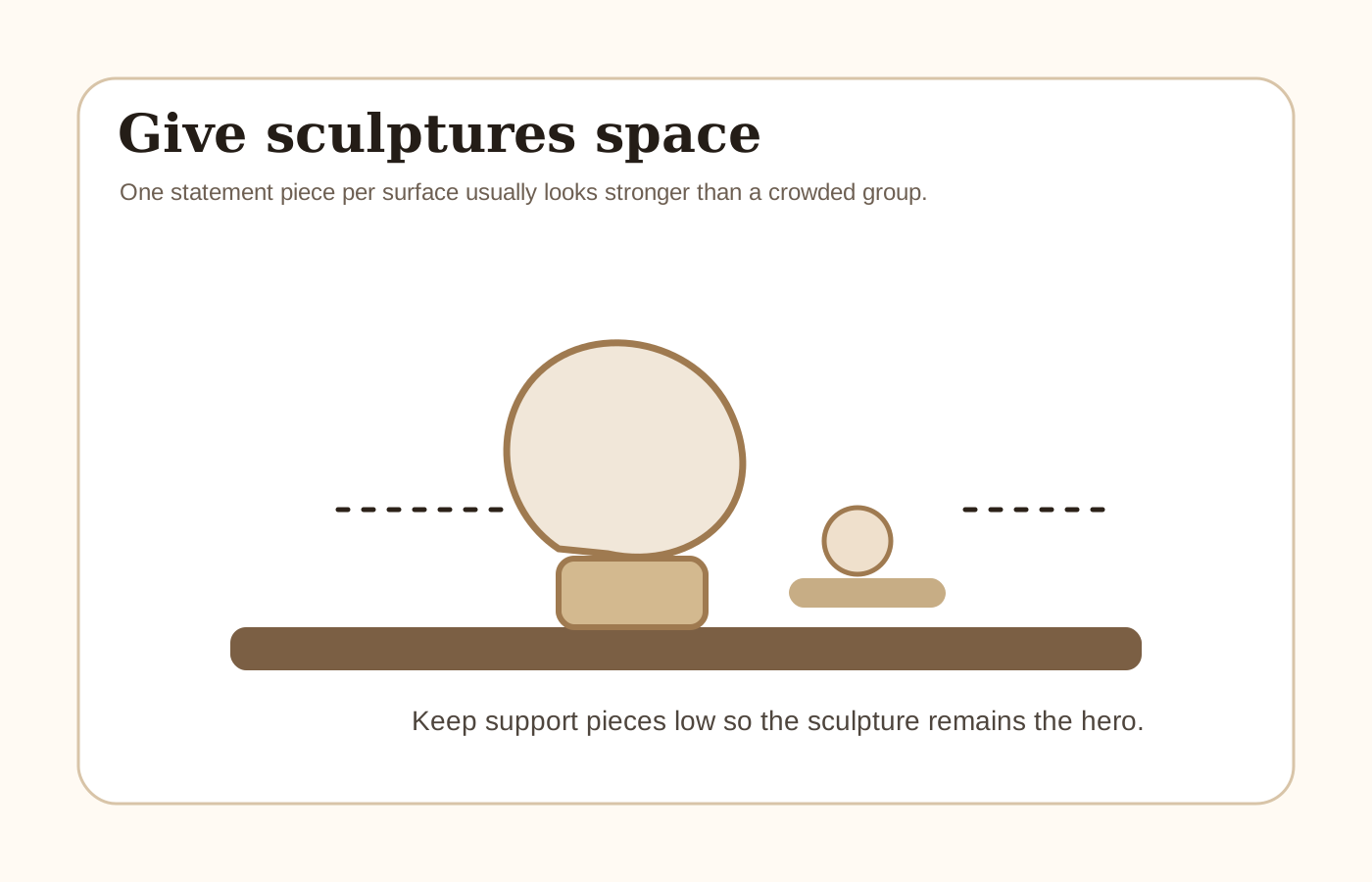
Start with one statement piece per surface
The fastest way to weaken a good sculpture is to crowd it. A bust or figure placed alone on a console, shelf, or side table reads as intentional. The same piece squeezed between photo frames and small ornaments reads as clutter.
Choose one sculptural piece as the anchor of a surface. If you add anything beside it, keep it low and quiet — a small tray, a short candle, a closed book. The sculpture should hold the highest point.
Busts: give them eye level and empty space
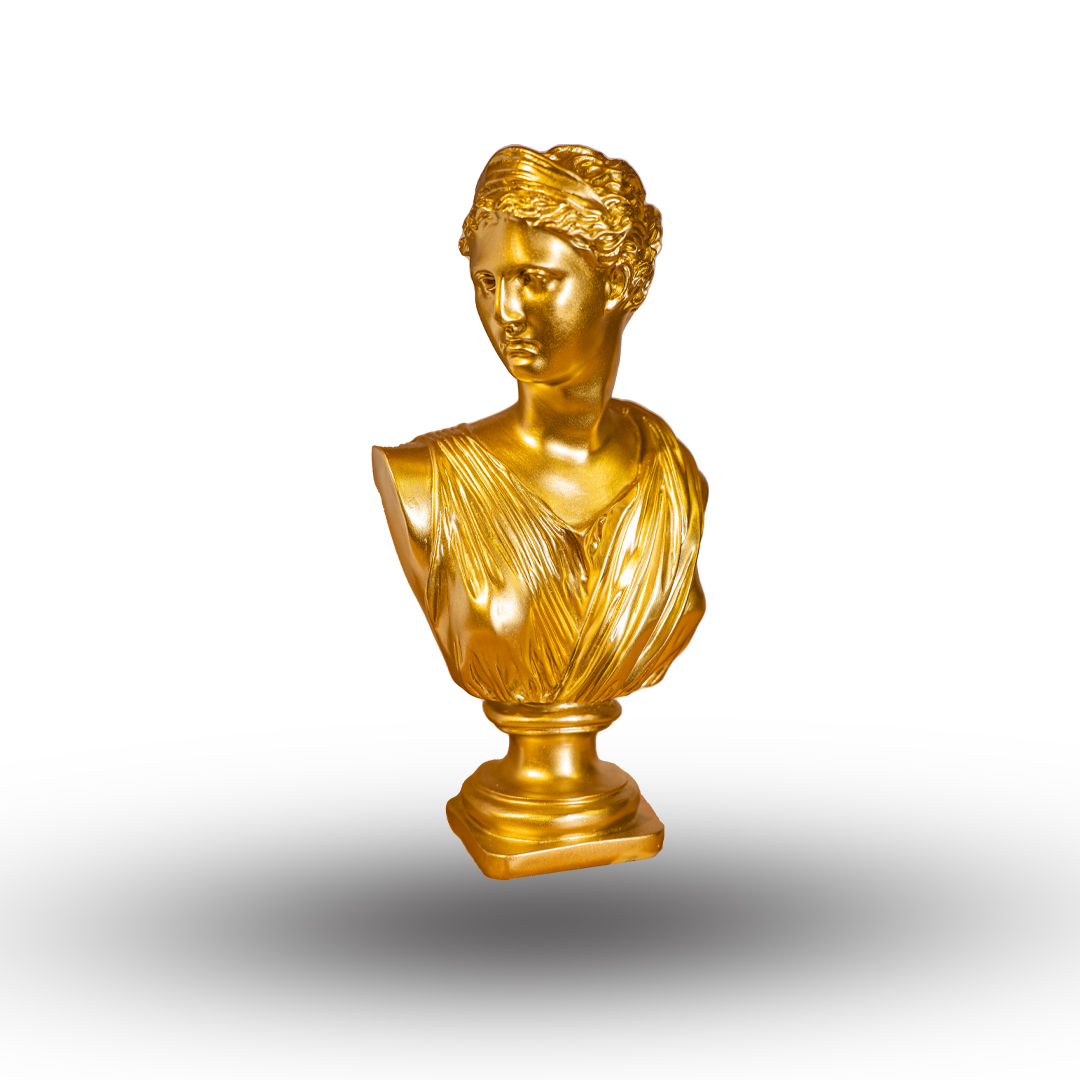
Decorative busts — classical faces, wrapped figures, leaf-crowned profiles — have become one of the most searched decor pieces in Pakistan, and they are also one of the easiest to place badly.
A bust works best at or near eye level: an open shelf, a console table, a study bookcase, or a plinth in a corner. Avoid placing a bust on the floor or above a wardrobe where nobody meets its gaze — the whole point of a face is that it faces you.
Give a bust more empty space than you think it needs. On a bookshelf, clear the entire shelf section around it. Against a plain wall, a single bust with a warm lamp nearby can carry an entire corner.
Animal sculptures: match the energy to the room
Horse sculptures are the most popular animal pieces in Pakistani drawing rooms — and for good reason. A galloping horse or a pair of horses adds movement to a formal room without needing color.
A few reliable pairings:
- **Horses** suit consoles, media walls, and office shelves. A trio or pair works on a long surface; a single large horse suits a corner pedestal.
- **Lions and leopards** carry more weight — one strong piece on a drawing room console is enough.
- **Peacocks and birds** bring color, so place them where the palette is otherwise calm.
- **Deer and gentle pairs** suit bedrooms and softer family spaces.
Whatever the animal, face it into the room or toward the seating — never toward the wall or the door.
Figurines: group in odd numbers
Smaller figurines — dancers, musicians, couples, abstract figures — rarely work alone because they lack the scale to anchor a surface. Group them instead.
Three is the reliable number: one taller piece, one medium, one small, arranged in a loose triangle rather than a straight line. Keep the group tight — pieces spread across a whole shelf lose their relationship to each other.
Keep the finishes related. Three pieces in mixed golds and bronzes look curated; gold, bright blue, and silver together look accidental unless the room already mixes those tones.
Which finish for which room
- **Gold and bronze** — formal drawing rooms, consoles under mirrors, rooms with warm lighting. This is the safest finish for Pakistani interiors.
- **Black and dark bronze** — offices, studies, and modern TV lounges. Strong against light walls.
- **White, cream, and crystal-look** — bedrooms and calm shelf styling. These need a darker or textured background to stay visible.
- **Painted and graffiti finishes** — one per room at most. They are conversation pieces, and two conversations at once cancel each other out.
Where not to put a sculpture
Avoid dining tables (they get moved for every meal), windowsills with direct afternoon sun (finishes fade), and any surface at toddler height if the piece matters to you. Resin and polystone pieces are durable, but a fall onto marble flooring rarely ends well.
The test that always works
Place the piece, step back to the doorway of the room, and look. If your eye goes to the sculpture first and rests there for a moment, it is placed well. If your eye slides past it or gets caught on the objects around it, remove the clutter — not the sculpture.
If you are decorating a desk or home office rather than a console or drawing room shelf, see the newer modern sculpture collection for desks, consoles, and shelves for pieces sized and styled for smaller work surfaces.
Explore related categories
Shop the inspiration
Related decor picks
- Ready to place
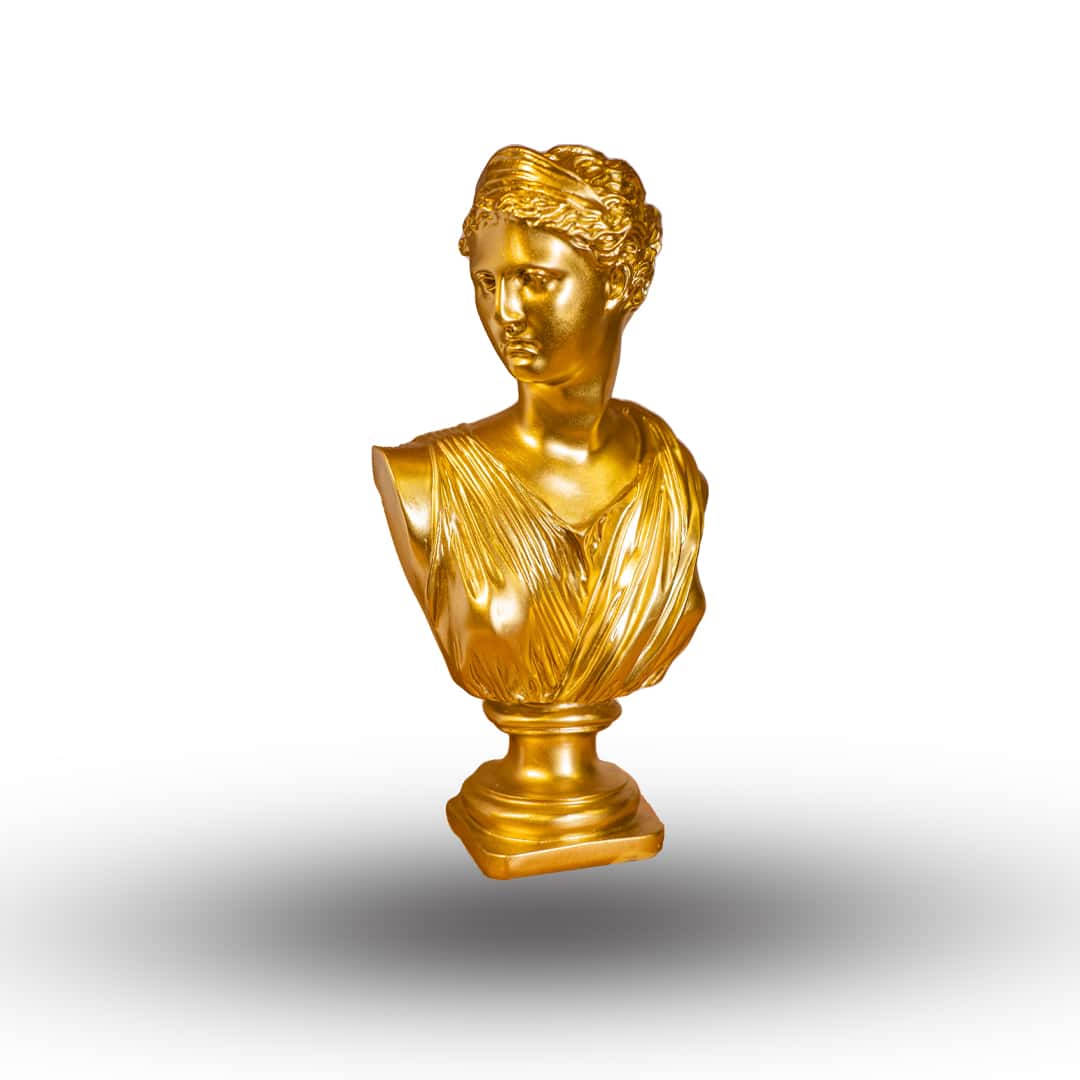
Decorative Figurines & Statues
Golden Muse Bust
A ready-to-order decor pick shaped for calmer shelves, walls, and corners.
PKR 12,500
Bring it home
Pakistan-wide
- Ready to place
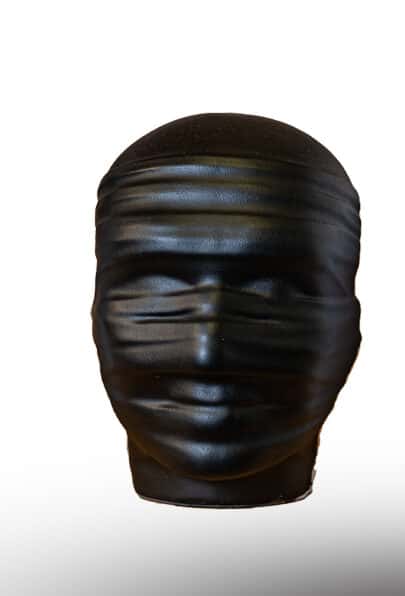
Decorative Figurines & Statues
Enigmatic Wrapped Busts (Large)
A ready-to-order decor pick shaped for calmer shelves, walls, and corners.
PKR 12,000
Bring it home
Pakistan-wide
- Ready to place
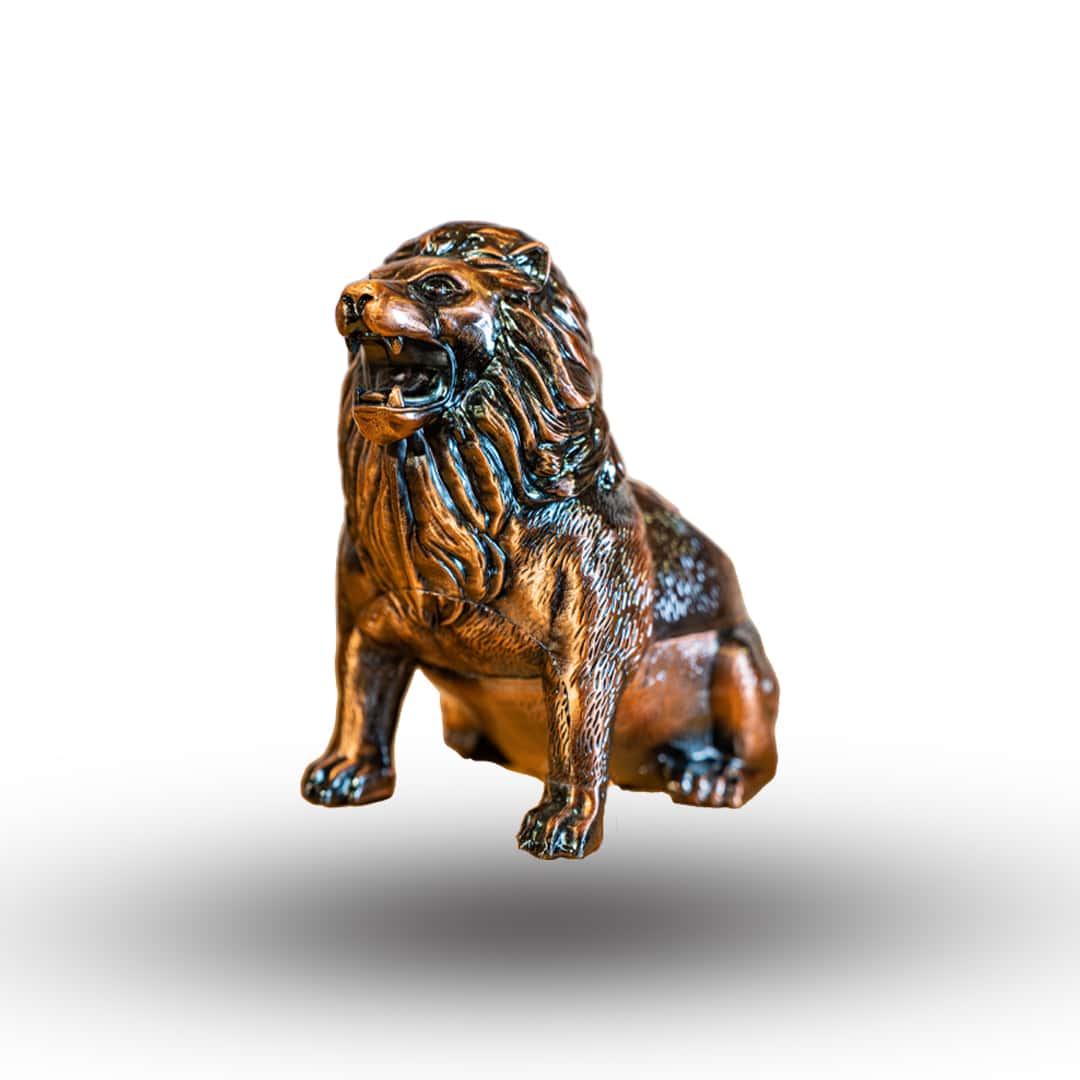
Animal Sculptures
Majestic Lion Sculpture
A ready-to-order decor pick shaped for calmer shelves, walls, and corners.
PKR 6,400
Bring it home
Pakistan-wide
- Out of stock
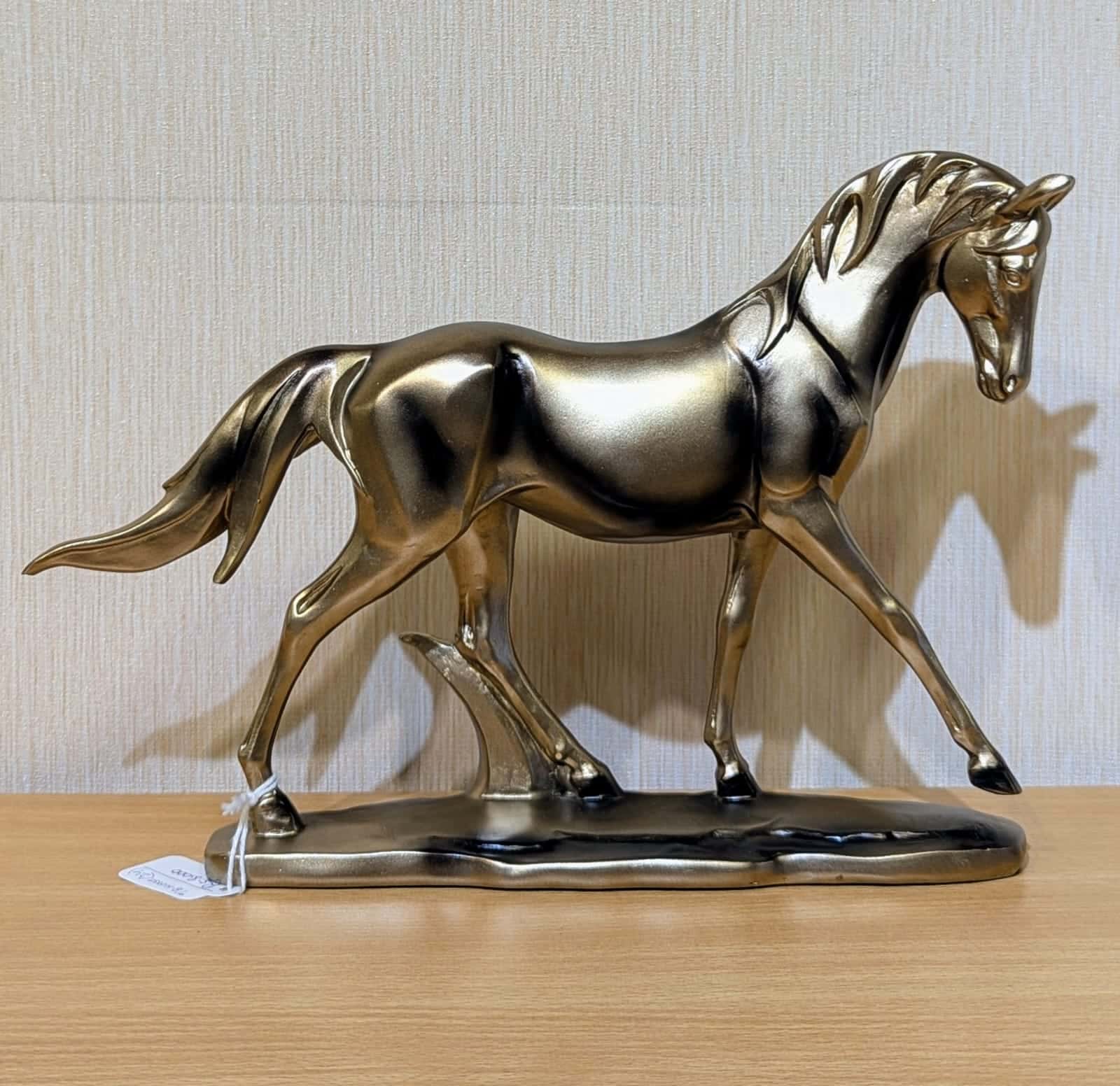
Animal Sculptures
Golden Horse
A ready-to-order decor pick shaped for calmer shelves, walls, and corners.
PKR 8,000
Bring it home
Pakistan-wide
- Ready to place
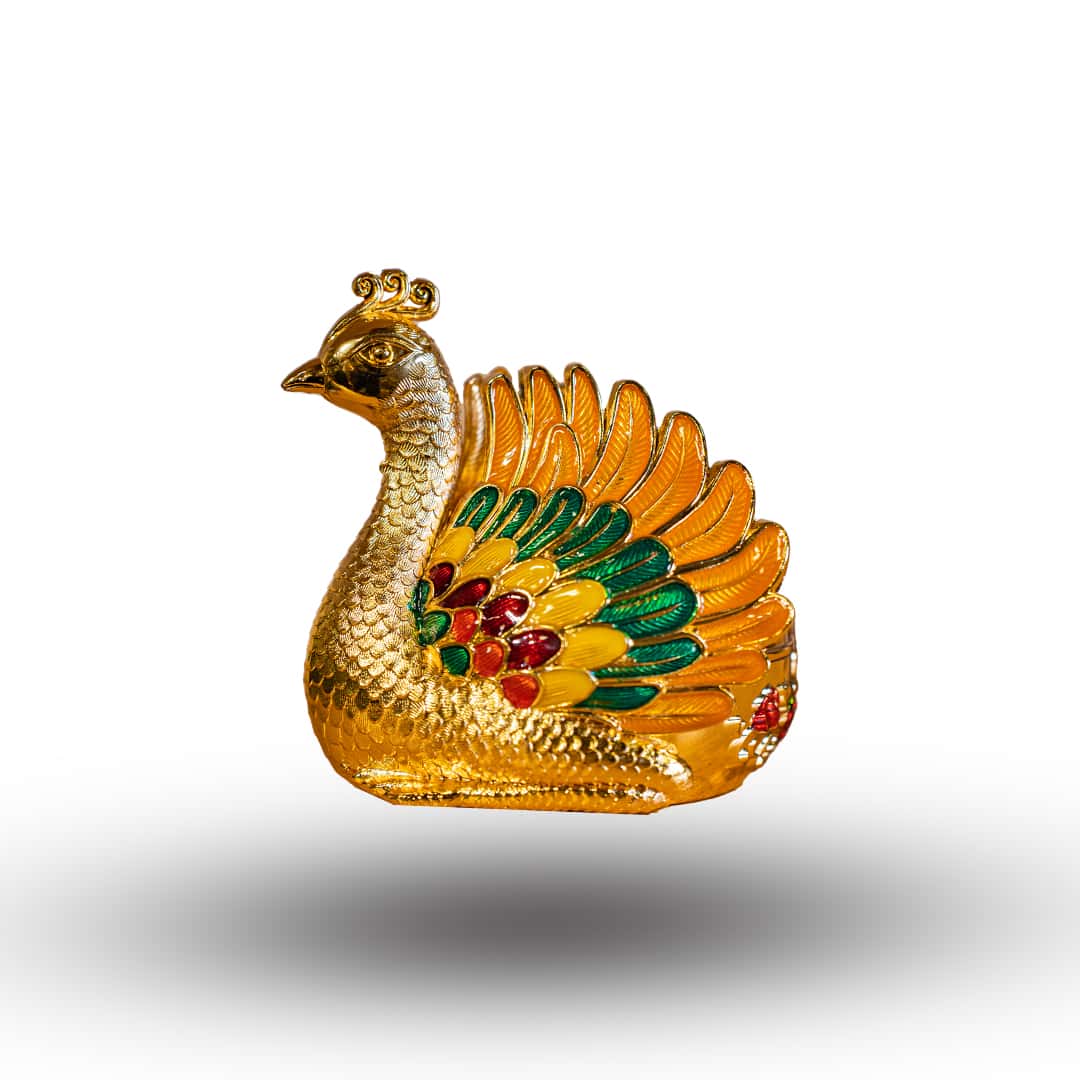
Animal Sculptures
Jeweled Peacock Figurine
A ready-to-order decor pick shaped for calmer shelves, walls, and corners.
PKR 4,600
Bring it home
Pakistan-wide
Keep reading
More ideas from the blog
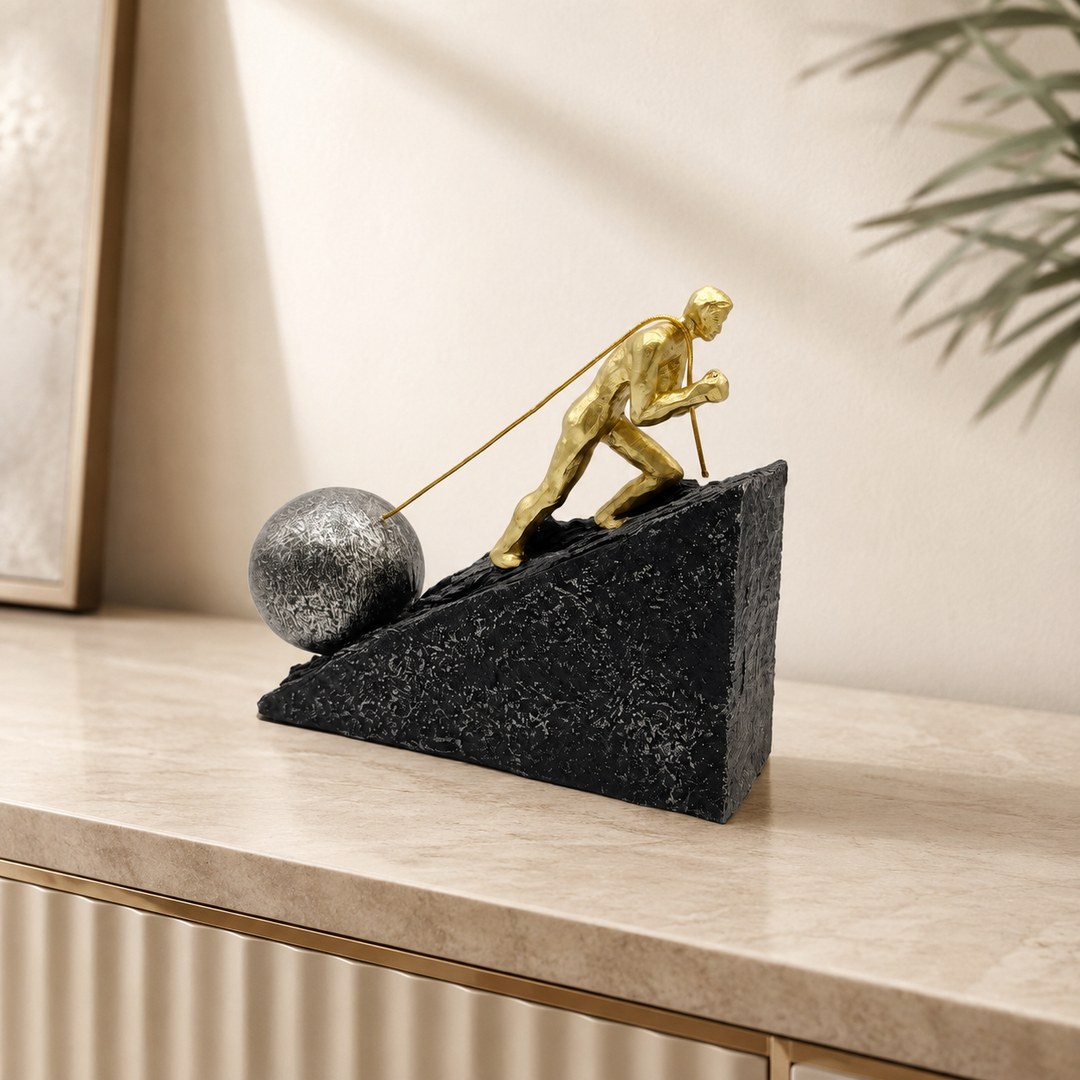
02 Aug 2026
6 min read
New Modern Sculpture Collection for Desks, Consoles and Shelves
A new arrivals guide to Home Decor Pakistan's modern sculpture collection: motivational desk statues, animal sculptures, and abstract pieces for offices, consoles, and shelves.

12 Jul 2026
8 min read
Vintage Decor Ideas for Pakistani Homes: Gramophones, Cameras and Collected Accents
A practical guide to using vintage-style gramophones, cameras, scooters, lanterns, busts, and animal sculptures without making the room feel crowded.
02 Jul 2026
6 min read
How to Style a Console Table Without Overfilling It
A practical guide for Pakistan homes to style a console table using three heights, one anchor, and deliberate empty space — without it looking crowded.
Need help with styling or product details?
If you're using this article to plan a room update, you can order through the shop and we'll help confirm sizing, finishes, and delivery details where needed.