Blog
22 Jun 2026
5 min read
Wall Clock Ideas for Every Room in Pakistan
How to choose and place wall clocks in drawing rooms, TV lounges, dining areas, bedrooms, and offices — with size, finish, and placement advice for Pakistani homes.
On this page
A wall clock does something most decor pieces cannot — it earns its place by being useful every day. That is why it is one of the safest starting points for a room that needs a focal point.
But not every clock works in every room. The right clock depends on the wall size, the furniture below it, the lighting, and the style of the room. This guide covers the practical choices for the rooms where clocks are used most in Pakistani homes.
Drawing room: choose scale and finish first
The drawing room wall clock is often the first decor decision people make — and the most visible one. Here, size matters more than style.
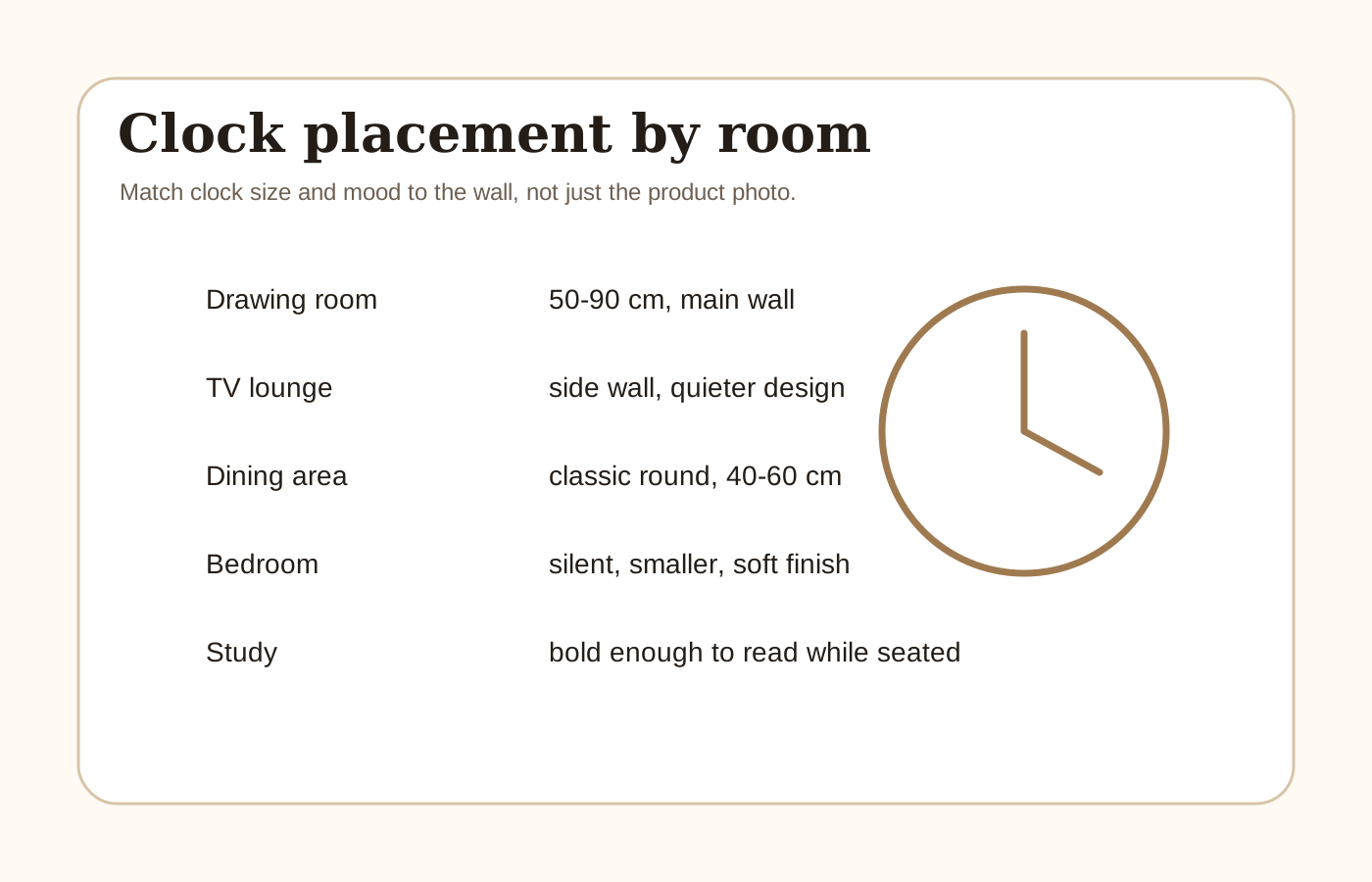
A clock that is too small above a large sofa looks lost. As a general rule, choose a clock face that is at least 50 to 60 cm wide for a sofa wall or a full wall. If the room is large, 70 to 90 cm feels correct.
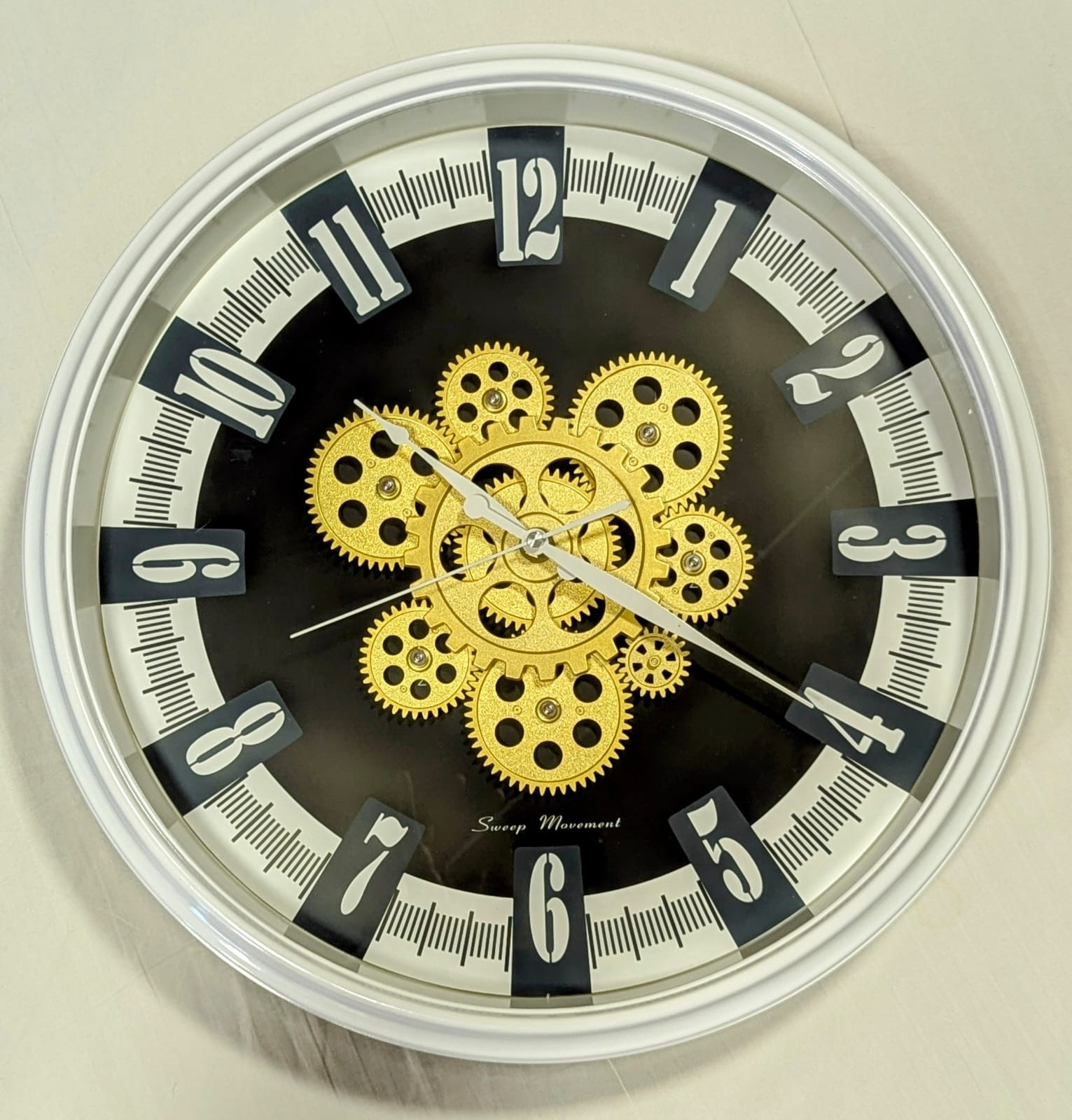
For finish: gold and bronze clocks work well in formal drawing rooms with warm-toned furniture. Black clocks read as modern. Wooden clocks feel more relaxed. Gear and sculptural clocks work well in rooms that already have some industrial or mixed-material styling.
For living rooms where the clock should be the main decor piece, the more focused antique and statement wall clocks guide compares pocket-watch, mantelpiece, deer, ship-wheel, Victorian, and gearwork styles.
Leave 30 to 45 cm of blank wall below the clock before any furniture or console surface begins. This breathing room is what makes the clock feel placed rather than pressed against the furniture.
TV lounge: use a side wall, not the TV wall
Placing a clock on the same wall as the television creates a competition for the eye. The TV always wins, and the clock ends up being ignored.
A better option is the side wall of the TV lounge — the wall beside the sofa or across from the main seating. A medium clock here gives the room a secondary focal point and makes the space feel more decorated without cluttering the TV wall.
Choose a clock that is quieter in this room: a simple wooden clock, a thin metal round, or a classic face without heavy ornamentation. The TV lounge clock should be noticed, not dominant.
Dining area: keep it classic
A round clock above a dining table or on the dining room wall works best in a traditional or classic finish. Gold, mahogany brown, and aged bronze all feel at home here.
For size, a 40 to 60 cm face usually works without overpowering the dining furniture. If the room is small, go to the smaller end of that range. If the dining area opens into a larger drawing room, you can go slightly larger.
Avoid digital or industrial-style clocks in dining spaces — they tend to feel too casual or too technical next to a table set for guests.
Bedroom: smaller, quieter, functional
A bedroom clock does not need to make a statement. It just needs to be visible from the bed without waking anyone up.
Choose a silent mechanism (quartz movement) in the bedroom — the ticking of a mechanical clock becomes noticeable in a quiet room at night. Most decorative clocks sold today are quartz, but it is worth confirming before buying.
For the bedroom wall, a 30 to 45 cm clock in a simple finish works well. Place it on the wall opposite or beside the bed — not behind the headboard where it cannot be seen.
White, cream, light wood, and soft gold all work in bedrooms. Avoid very dark or very bold finishes that contrast sharply with soft bedroom lighting.
Home office or study: something with weight
A home office or study wall clock can be more substantial than a bedroom clock. This is a room where presence helps — a gear clock, a classic dark-wood round, or a bold black Roman numeral face all feel appropriate.
The clock in a study signals that you take time seriously. It can be a stronger piece without feeling out of place.
Place it at eye level when seated, or slightly above. The goal is visibility while working, not a decorative accent you only notice when you walk in.
How to mix clocks with other wall decor
If you want to combine a clock with other wall pieces — a mirror, art print, or calligraphy — treat the clock as the anchor and keep the other pieces smaller.
A clock flanked by two small framed prints or calligraphy panels works well. Two clocks on the same wall rarely work. Avoid placing a clock directly beside a large mirror — the reflections create visual noise.
The one question to ask before buying
Before choosing any wall clock, stand in the room and look at the wall where it will go. Ask: does this wall need something bold, or something quiet?
A bold clock on a busy wall makes the room feel heavier. A quiet clock on a large, empty wall disappears. Match the weight of the clock to the weight of the wall.
Explore related categories
Shop the inspiration
Related decor picks
- Ready to place
Clocks & Wall Decor
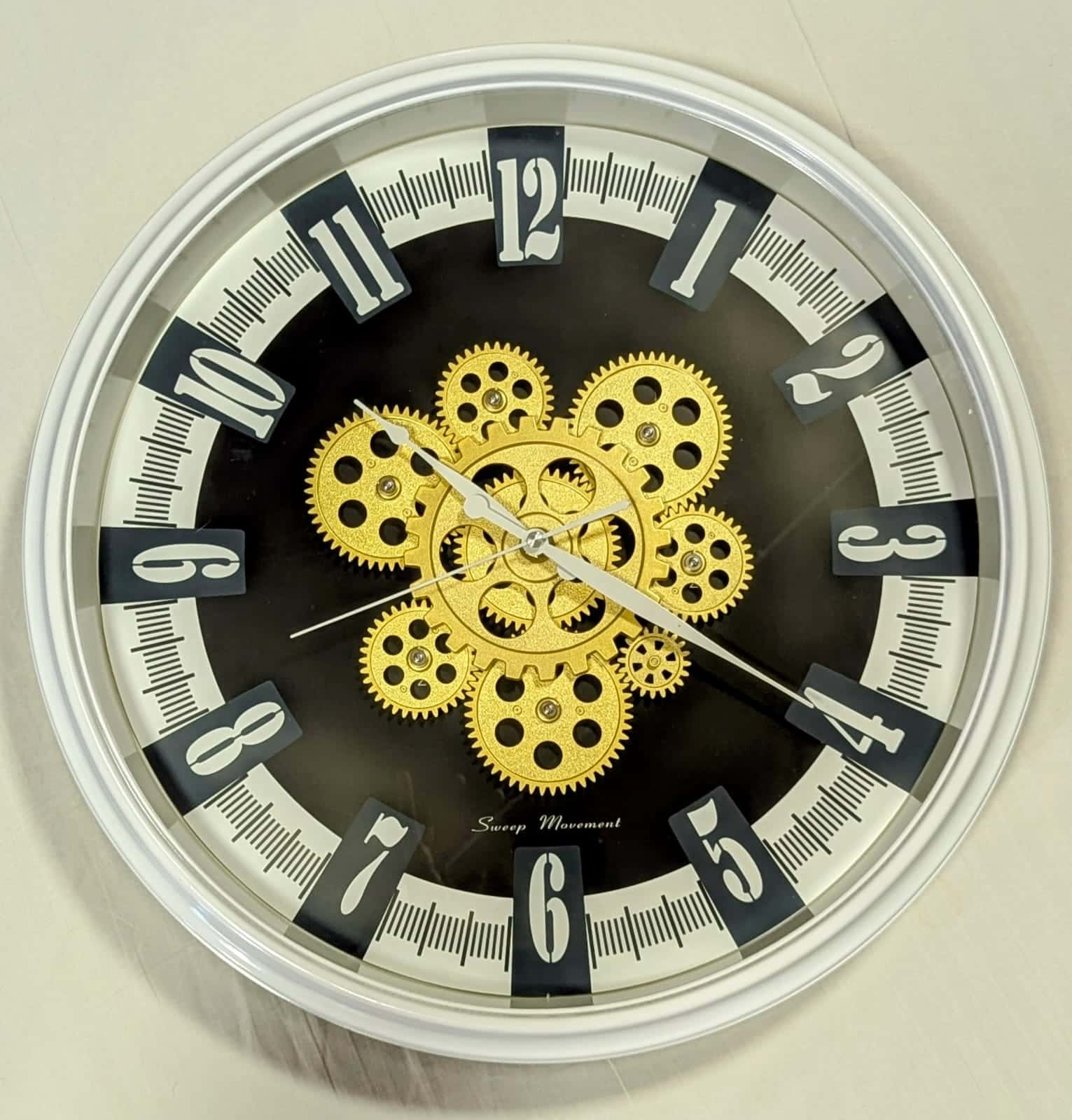
Golden Gearwork Wall Clock
A ready-to-order decor pick shaped for calmer shelves, walls, and corners.
PKR 7,500
Bring it home
Pakistan-wide
- Out of stock
Wall Clocks
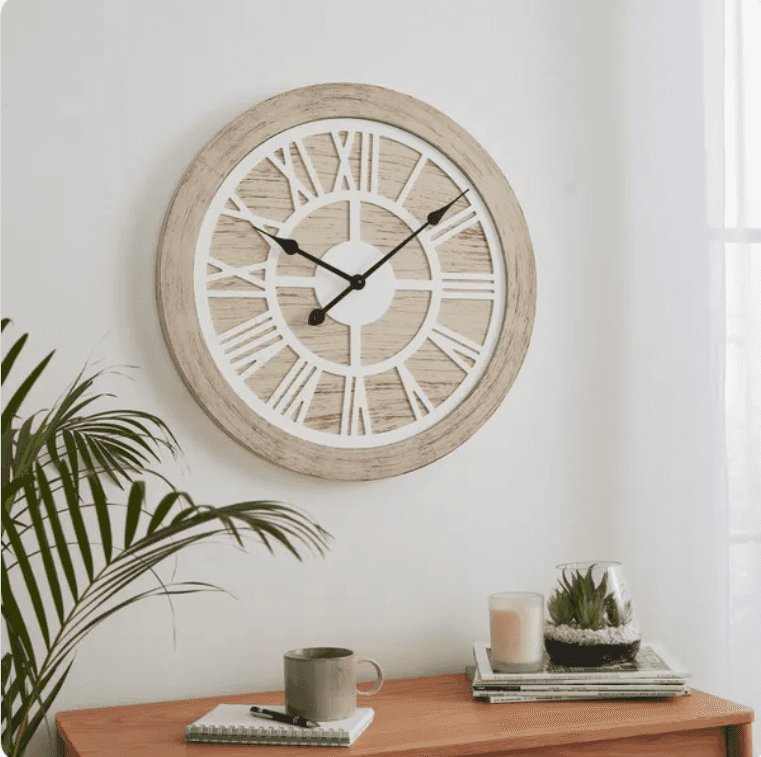
Washed Wooden Wall Clock
Adds structure and texture to any wall
PKR 5,500
Bring it home
Pakistan-wide
- Ready to place
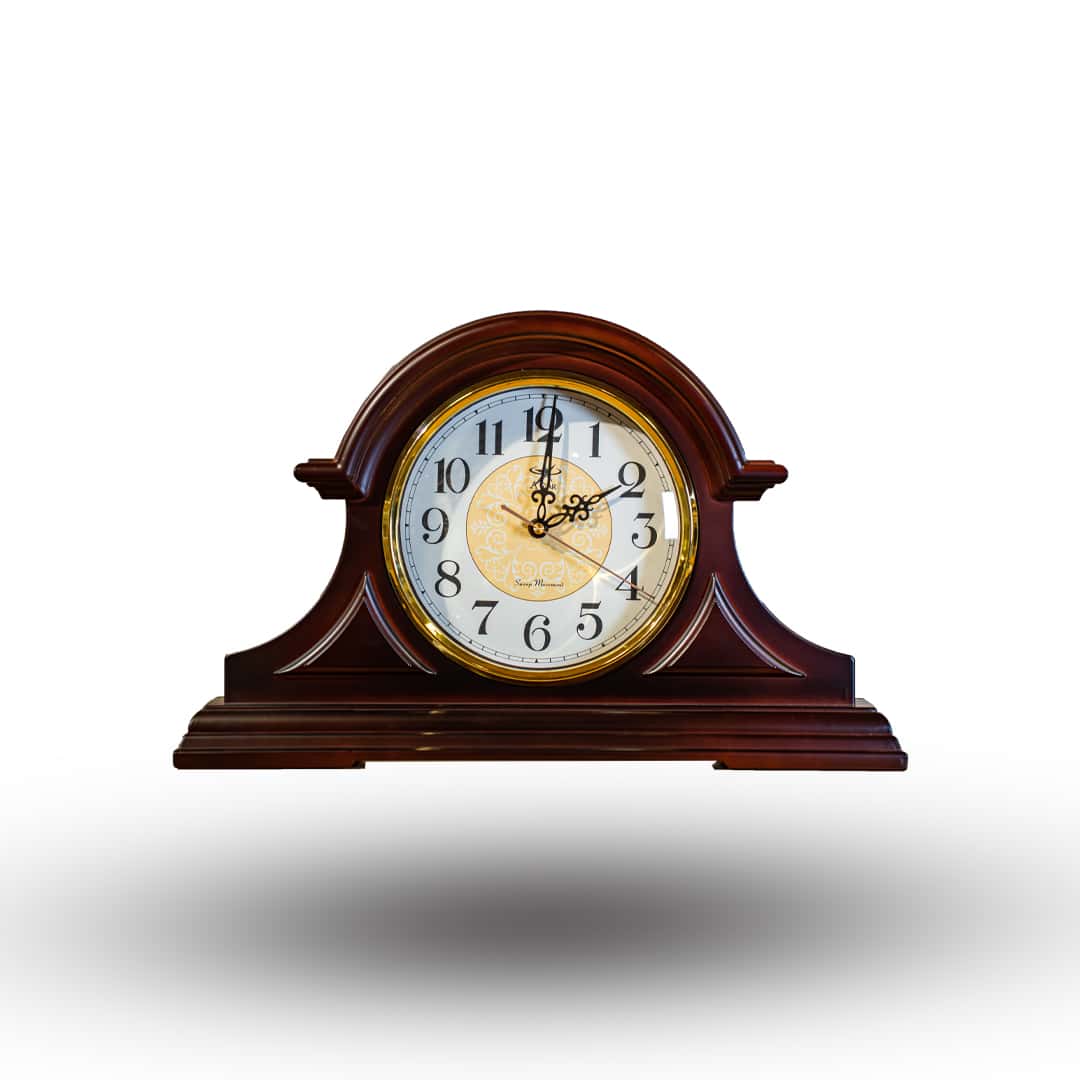
Clocks & Wall Decor
Classic Mantelpiece Clock
A ready-to-order decor pick shaped for calmer shelves, walls, and corners.
PKR 7,000
Bring it home
Pakistan-wide
- Out of stock
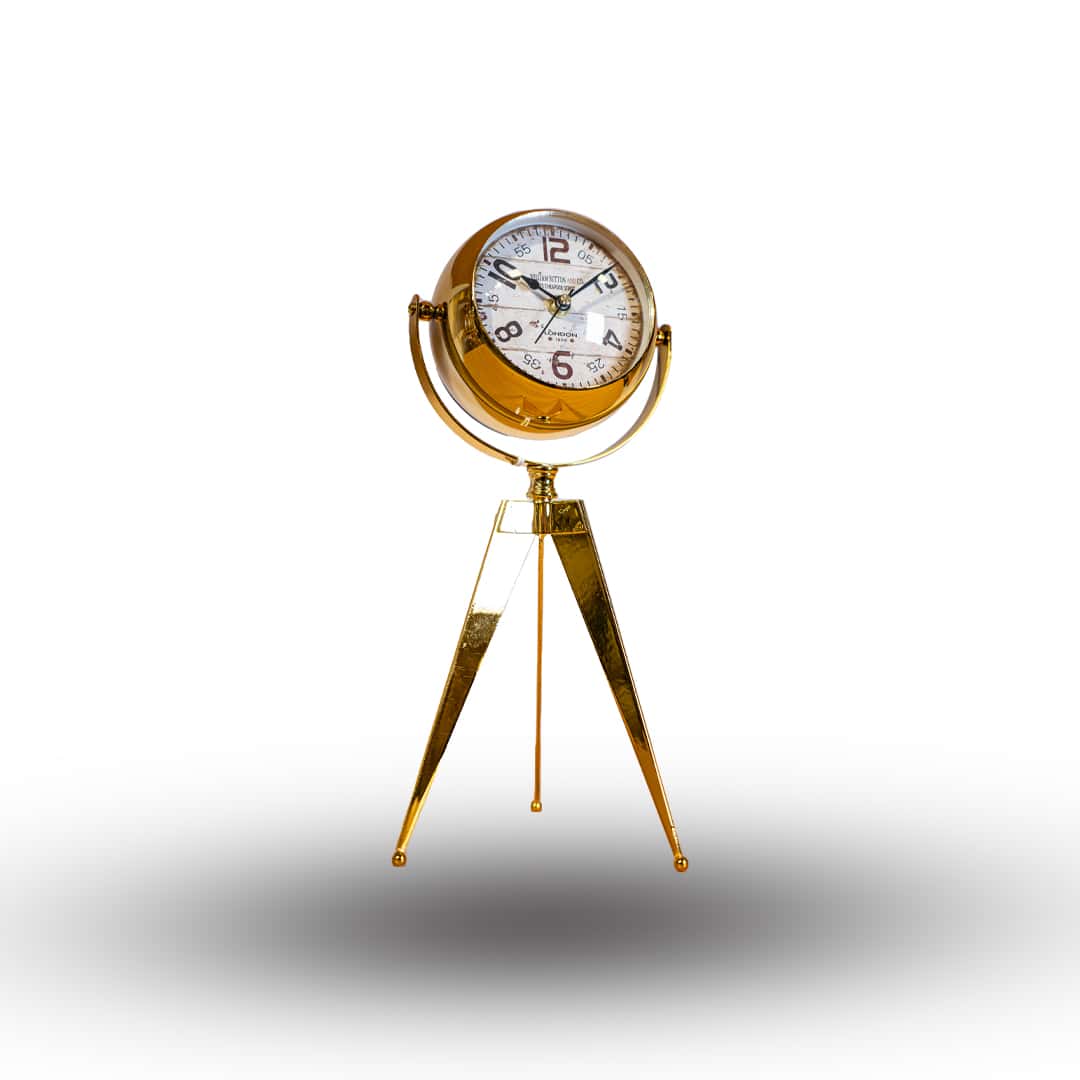
Clocks & Wall Decor
Golden Tripod Standing Clock
A ready-to-order decor pick shaped for calmer shelves, walls, and corners.
PKR 5,500
Bring it home
Pakistan-wide
Keep reading
More ideas from the blog
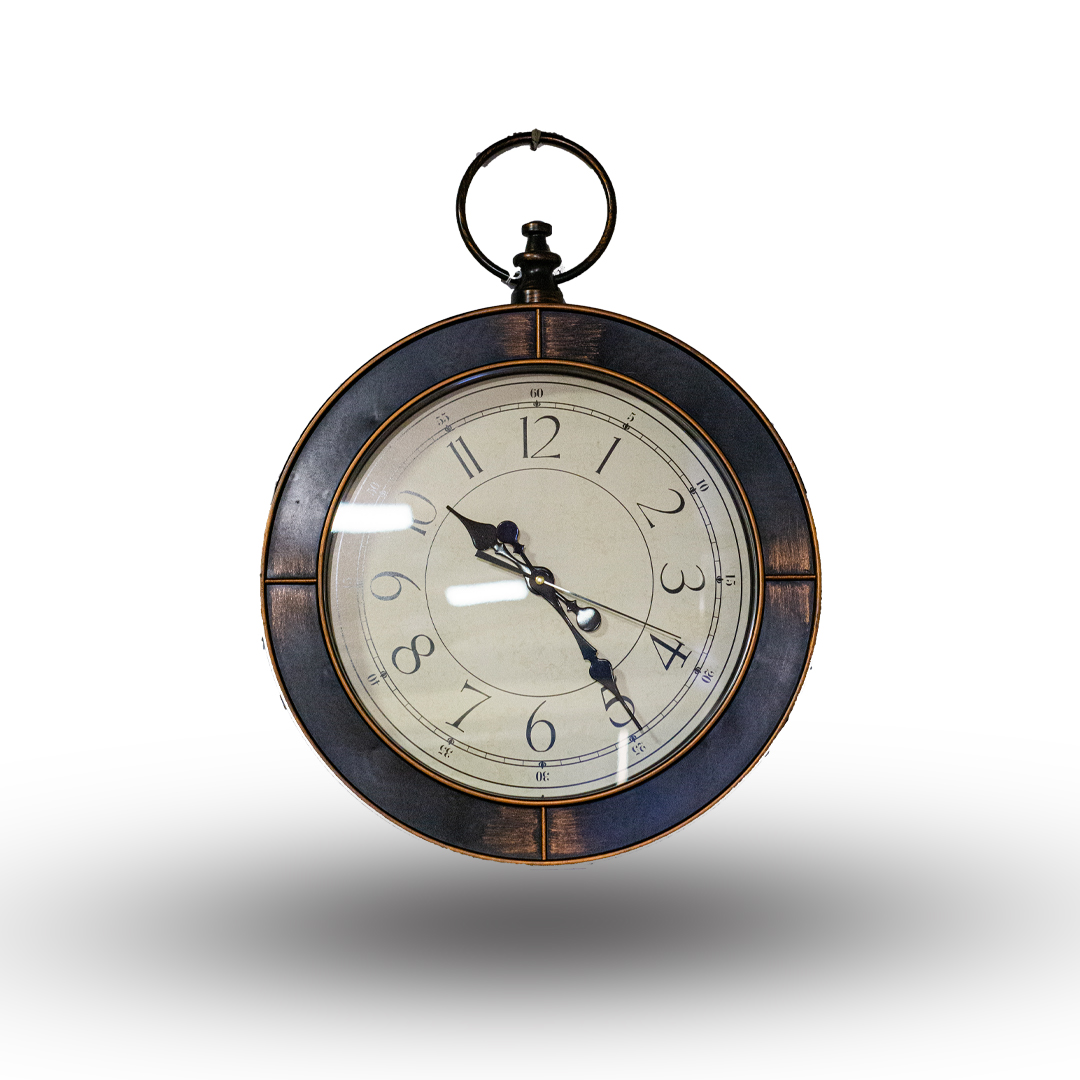
11 Jul 2026
8 min read
Antique and Statement Wall Clocks for Pakistani Living Rooms
A product-led guide to choosing antique, vintage, pocket-watch, ship-wheel, deer, mantelpiece, and statement clocks for Pakistani living rooms.
30 Jun 2026
7 min read
Wall Clocks vs Wall Art for Living Rooms
A practical guide for Pakistan homes on when to choose a decorative wall clock, when to choose wall art, and how to use both without crowding the wall.
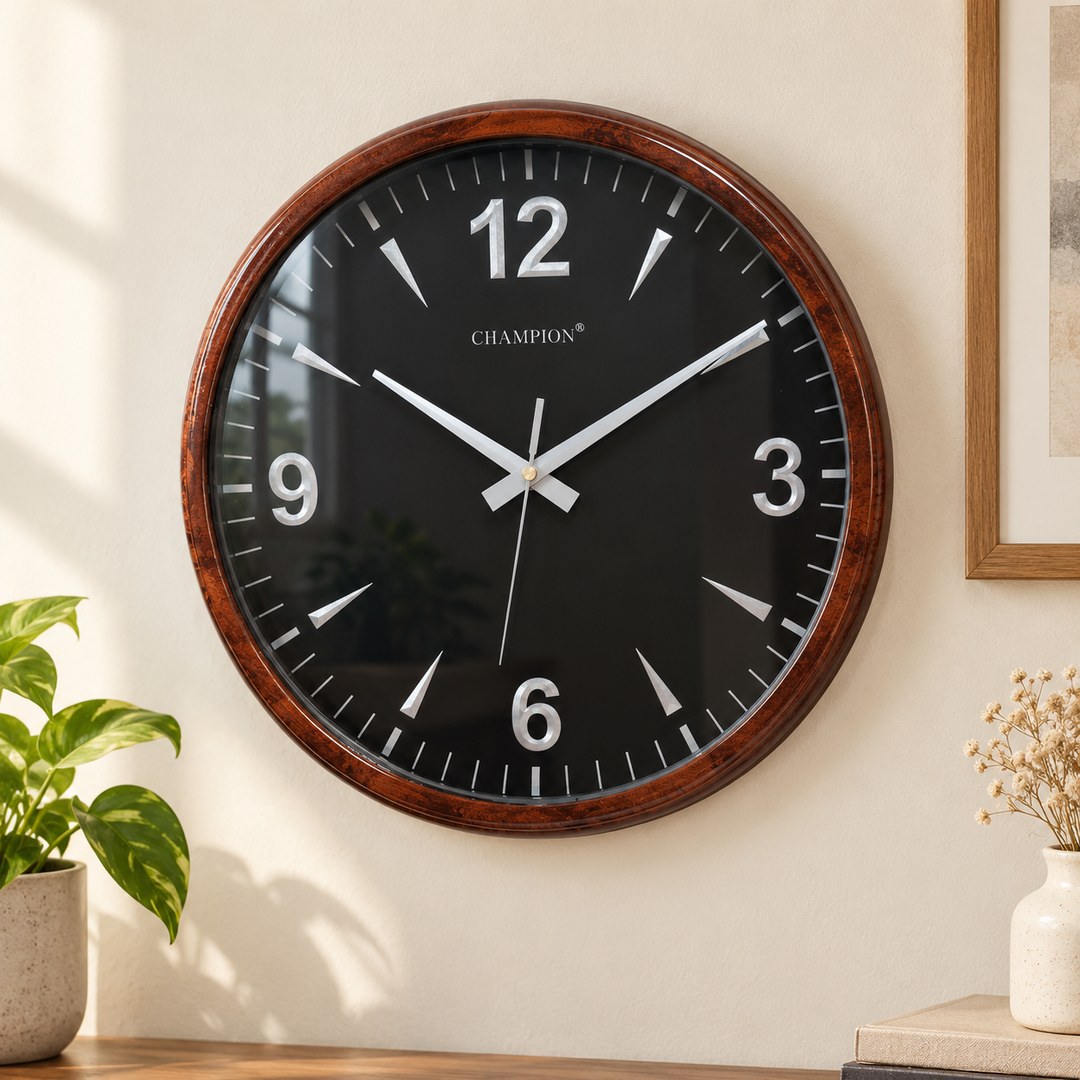
21 Sept 2026
7 min read
Wall Clock Size Guide for Pakistani Homes: 10, 12, 13 Inches or Larger?
Compare 10-, 12- and 13-inch wall clocks with larger statement sizes, then test the actual space before buying for a bedroom, lounge or drawing room.
Need help with styling or product details?
If you're using this article to plan a room update, you can order through the shop and we'll help confirm sizing, finishes, and delivery details where needed.